Disease Prevention and Control
17 questions. Progress is saved on this device, so you can leave and return at any time.
Study Material
Use the material below as a foundation for deeper research, then confirm you have read it to begin the assessment.
This course provides a comprehensive overview of essential practices for preventing and controlling common diseases in dogs. By understanding and implementing these principles, dog owners and caretakers can ensure the long-term health and well-being of their canine companions.
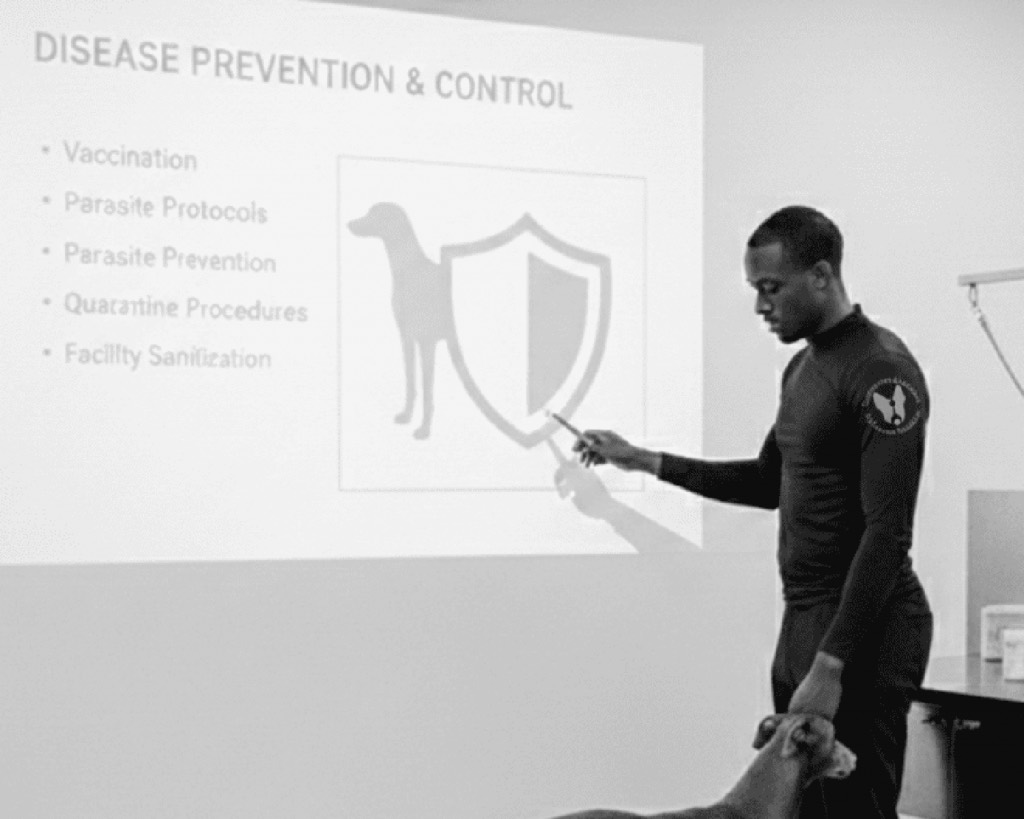
The Importance of a Proactive Approach Disease prevention is far more effective and less costly than treating a disease once it has manifested. A proactive approach focuses on creating an environment and lifestyle that minimizes exposure to pathogens and strengthens the dog’s immune system. This includes regular veterinary care, a healthy diet, proper hygiene, and an understanding of key preventative measures. The “Five Pillars” of Canine Health Effective disease prevention is built upon five key areas:
- Vaccination: Establishing immunity against infectious diseases. Parasite Control: Preventing and treating both internal and external parasites. Nutrition: Providing a balanced and appropriate diet. Hygiene & Environment: Maintaining a clean living space and managing risk factors. Routine Veterinary Care: Regular check-ups for early detection and preventative advice.
Core vs. Non-Core Vaccines
- Core Vaccines: These are recommended for all dogs, regardless of lifestyle or location, due to the prevalence and severity of the diseases. Canine Distemper: A highly contagious viral disease affecting the respiratory, gastrointestinal, and nervous systems. Canine Adenovirus (Hepatitis): A viral infection that can cause liver disease. Canine Parvovirus: A severe and often fatal viral disease, especially in puppies, causing severe vomiting and diarrhea. Rabies: A fatal viral disease transmissible to humans. The Rabies vaccine is legally required in many countries. Non-Core Vaccines: These are administered based on a dog’s lifestyle, geographic location, and risk of exposure. Bordetella bronchiseptica (“Kennel Cough”): A highly contagious respiratory disease, often recommended for dogs that frequent kennels, dog parks, or day care. Leptospirosis: A bacterial disease found in contaminated water and soil, recommended for dogs with outdoor access. Lyme Disease: A bacterial disease transmitted by ticks, recommended for dogs living in or traveling to high-risk areas.
- Canine Distemper: A highly contagious viral disease affecting the respiratory, gastrointestinal, and nervous systems. Canine Adenovirus (Hepatitis): A viral infection that can cause liver disease. Canine Parvovirus: A severe and often fatal viral disease, especially in puppies, causing severe vomiting and diarrhea. Rabies: A fatal viral disease transmissible to humans. The Rabies vaccine is legally required in many countries.
- Bordetella bronchiseptica (“Kennel Cough”): A highly contagious respiratory disease, often recommended for dogs that frequent kennels, dog parks, or day care. Leptospirosis: A bacterial disease found in contaminated water and soil, recommended for dogs with outdoor access. Lyme Disease: A bacterial disease transmitted by ticks, recommended for dogs living in or traveling to high-risk areas.
Vaccination Schedule Puppies require a series of vaccinations, typically starting at 6-8 weeks of age, with booster shots every 3-4 weeks until they are 16 weeks old. Adult dogs then require regular booster vaccinations, as recommended by a veterinarian, to maintain immunity.
External Parasites
- Fleas: Cause skin irritation, allergies, and can transmit tapeworms. Use topical spot-ons, oral medications, or collars as a preventative measure. Ticks: Transmit serious diseases like Lyme disease and ehrlichiosis. Use preventative products and check your dog for ticks after spending time outdoors. Mites: Can cause conditions like mange.
Internal Parasites
- Intestinal Worms: Roundworms, hookworms, whipworms, and tapeworms can cause digestive upset, malnutrition, and other health issues. Puppies and adult dogs should be dewormed regularly with a veterinarian-approved product. Heartworm: A serious and potentially fatal parasite transmitted by mosquitoes. Prevention is critical and involves monthly oral or topical medication.
Proper Nutrition A balanced, high-quality diet is fundamental for a strong immune system. The diet should be appropriate for the dog’s age, breed, and activity level. Avoid feeding human food that may be toxic, such as chocolate, grapes, and onions. Sanitation and Environmental Management
- Cleanliness: Regularly clean and disinfect your dog’s food and water bowls, bedding, and toys. Waste Management: Promptly and properly dispose of your dog’s waste to prevent the spread of parasites and bacteria. Water: Always provide access to clean, fresh water.
Early Detection Regularly monitoring your dog’s behavior, appetite, energy level, and physical appearance is crucial for early detection of potential health issues. Signs of illness can include lethargy, loss of appetite, changes in bathroom habits, coughing, sneezing, or a dull coat.